How to Build a High-Protein Vegetarian Plate
Most vegetarian plates in Indian homes are carb-heavy by default. A few small structural changes fix that without adding supplements.
The most common gap I see in vegetarian diets is not calories; it is protein. A typical plate of two rotis, a bowl of rice, a vegetable and a small katori of dal looks balanced, but the protein in it is often half of what an adult actually needs in that meal.
Start with the protein, not the carbohydrate
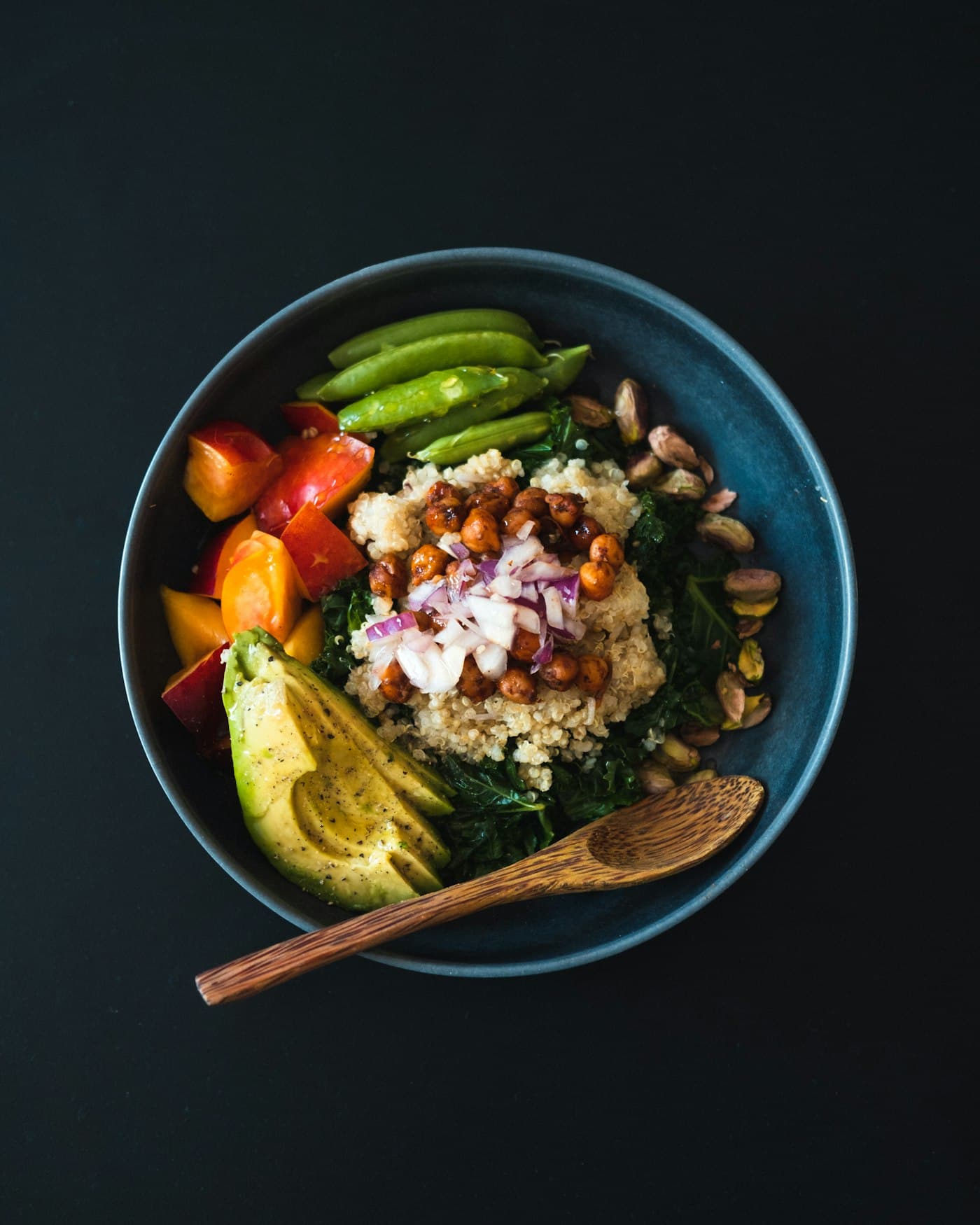
Build the plate in reverse. Decide the protein first (dal, rajma, chana, paneer, tofu, curd, or sprouts) and give it roughly a quarter of the plate. Then add vegetables, and let the roti or rice fill whatever space is left rather than leading the meal.
Combine sources across the day
Plant proteins have different amino acid profiles, and pairing them improves overall quality. The traditional combinations already do this well:
- Dal with rice or roti
- Rajma or chole with rice
- Curd with paratha or khichdi
- Peanuts or seeds added to poha and upma
You do not need to combine them in the same bite. Spreading sources across the day is enough.
Practical additions that need no cooking
- A bowl of curd or a glass of buttermilk with lunch
- Roasted chana or peanuts in place of biscuits with tea
- Sprouts folded into your usual salad
- A tablespoon of seeds over fruit or curd
What this looks like in practice
A vegetarian eating this way rarely needs protein powders. What they need is protein at every meal instead of concentrated in one. If breakfast is currently just tea and toast, that is usually the single highest-impact meal to fix first.
If you are managing a specific condition (PCOS, diabetes, kidney concerns, or pregnancy), the right protein target varies, and it is worth working it out with your dietitian rather than guessing.